

Introduction
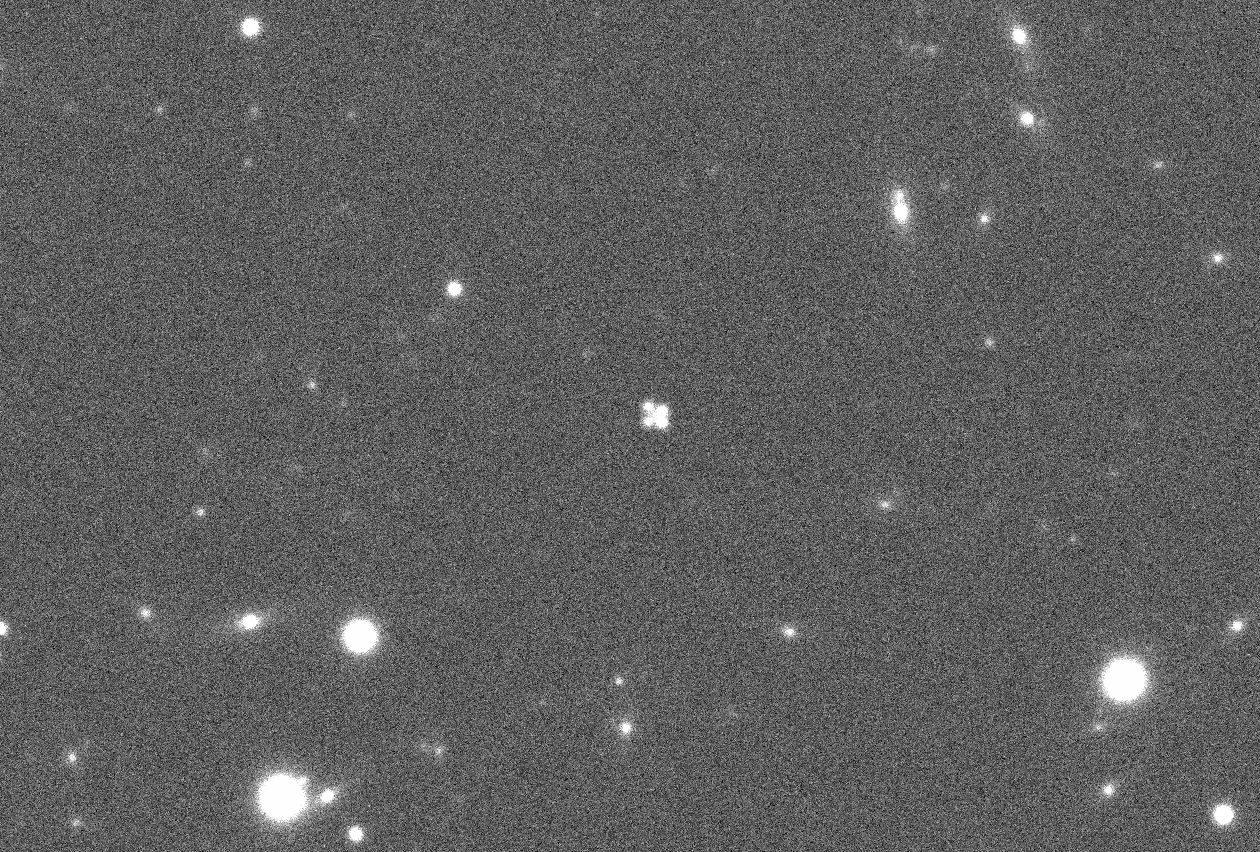
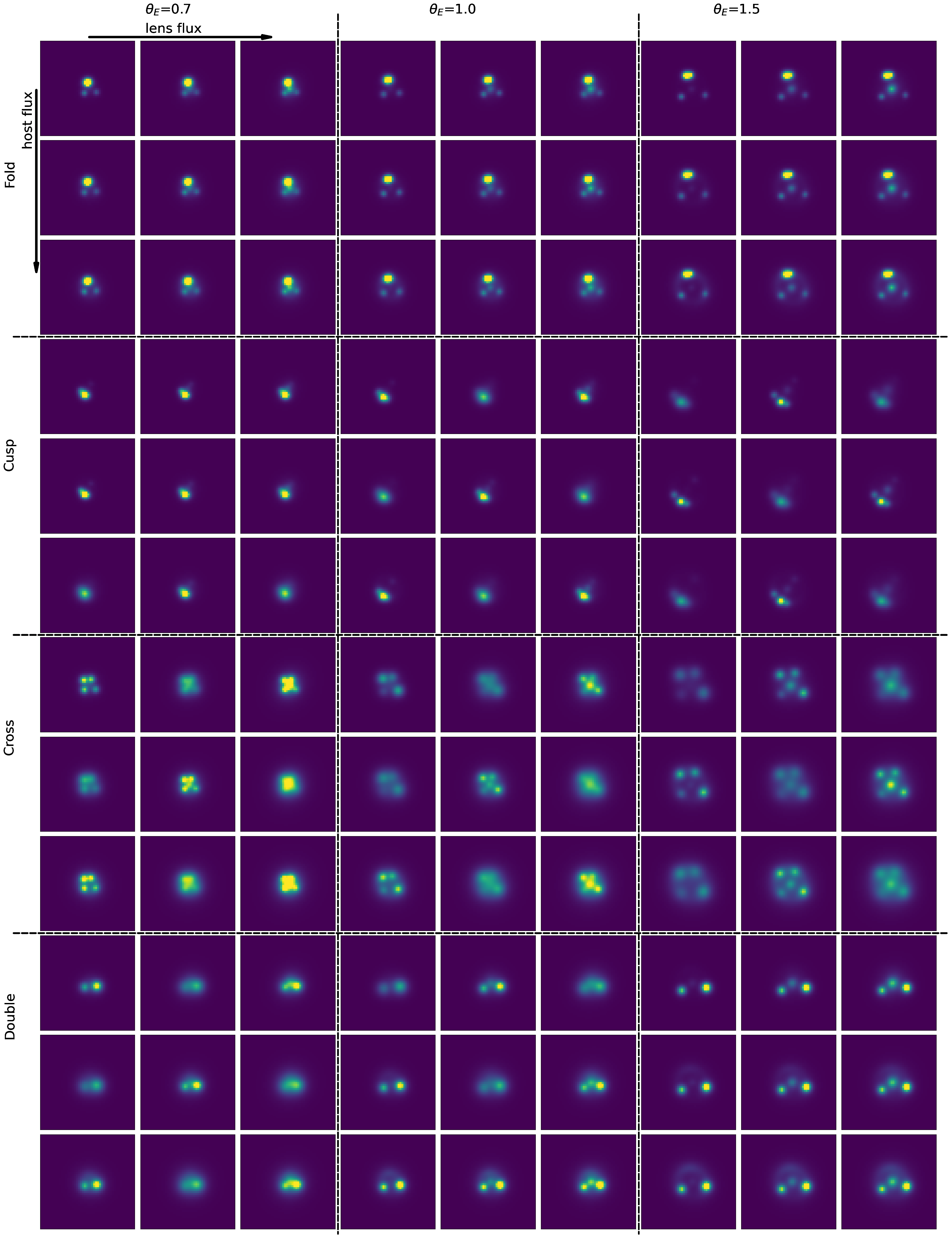
Welcome, this webpage serves to introduce the pixels to lightcurve challenge in the context of the LSST. The main goal of the challenge is to find the best methods to recover accurate light curves from lensed quasars, for which we present a series of simulated cutouts. The challenge consist of three rounds with increaing complexity on the simulation. For each round ~100 epochs are simulated, where we provide cuouts of the lens and neighbouring stars (~20-30). Additionally, there are 108 different lens configurations of the lens system, where we vary the brightess of the lens and host galaxy, as well as the Einstein radius of the lens.
Data
The data will be hosted on the SWITCHdrive service. Each round will have its own public link that will allow you to browse and download the data of the challenge. Alternatively, you can also install a client to synchronize the data automatically by adding the folder to your account (see SWITCHdrive Client) Each round will have a link that takes you where the data is stored.
Links:
The data is organized in the following structure:
cross/
├── 07
│ ├── 010
│ │ ├── 010
│ │ ├── 050
│ │ └── 100
│ ├── 050
│ │ ├── 010
│ │ ├── 050
│ │ └── 100
│ └── 100
│ ├── 010
│ ├── 050
│ └── 100
├── 10
│ ├── 010
│ │ ├── 010
│ │ ├── 050
│ │ └── 100
│ ├── 050
│ │ ├── 010
│ │ ├── 050
│ │ └── 100
│ └── 100
│ ├── 010
│ ├── 050
│ └── 100
└── 15
├── 010
│ ├── 010
│ ├── 050
│ └── 100
├── 050
│ ├── 010
│ ├── 050
│ └── 100
└── 100
├── 010
├── 050
└── 100
where the levels indicate, in depth order, the lens configuration (total of 4: cross, fold, cusp and double), Einstein radius (0.7, 1.0 and 1.5 arcsecs), lens and host brightness (0.1, 0.50 and 1.0 times a nominal brightness).
Each of these directories contain ~100 directories that correspond to an observation time or visit.
Inside each visit directory you will find ~20-30 fits files named #.fits where # = 0 is the cutout of the lens, while # > 0 are stars.
To easily visualize the data of a visit you can use ds9 like: ds9 -zscale -mosaic 181870/[0-9]{,[0-9]}.fits or also visualize multiple visits as ds9 -zscale -mosaic 213547/[0-9]{,[0-9]}.fits -frame new -mosaic 638921/[0-9]{,[0-9]}.fits -frame new -mosaic 676828/[0-9]{,[0-9]}.fits.
Lens configurations
Rounds
Round #0: The main goal of this round is to test the photometry systematics of the different methods applied by each participant. Cutouts of the lensed quasar and some neighboring stars, together with the true noiseless PSF used will be provided.
Link to download the data: round0.
The point spread function (PSF) is provided in the psf.fits file.
Round #1: Only the cutouts are provided.
Link to download the data: coming soon.
Round #2: Same as round #1 but an atmospheric distortion is applied to the PSF.
Link to download the data: coming soon.